
Why Are So Many Children Refusing to Eat? A Feeding Specialist’s Perspective

If you’ve ever asked yourself, “Why won’t my child eat?” you’re not alone.
As a pediatric feeding specialist, I’ve worked with hundreds of families who felt exhausted, discouraged, and overwhelmed by mealtimes. As a mother of four, I understand those emotions.
When your child refuses dinner for the third night in a row, gags at vegetables, survives on only a handful of foods, gravitates towards only crunchy or starchy snacks. or seems to lose interest after just a few bites, it’s natural to worry.
Will they get enough nutrition?
Are they growing well?
Did I do something wrong?
These are some of the most common questions I hear from parents, and I want you to know something right away:
You have not failed your child.
Feeding challenges are incredibly common, and in many cases they’re much more complex than simply having a “picky eater.”
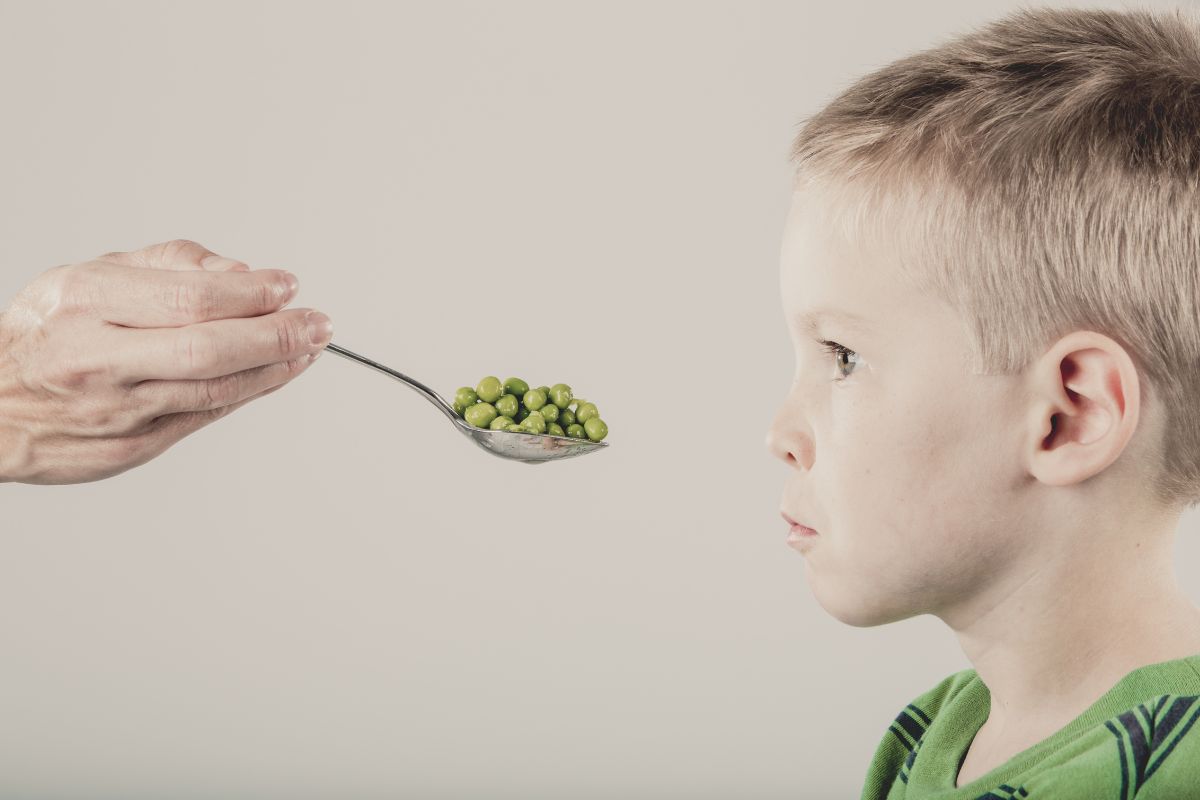
More Children Are Struggling with Eating Than Ever Before
Over the years, I’ve noticed more families seeking help because mealtimes have become stressful.
While every child is unique, feeding challenges are rarely caused by just one thing. Instead, they’re often influenced by several factors working together.
These may include:
- Oral motor skill development
- Sensory processing differences
- Medical history or early feeding experiences
- Pressure during meals
- Digestive discomfort
- Food allergies or intolerances
- Stress and anxiety
- Family mealtime dynamics
- Individual health circumstances
As a holistic practitioner, I also believe it’s important to consider a child’s overall health. The perspective I teach emphasizes supporting the body through nourishing whole foods, hydration, and reducing factors that may place additional stress on the body. While nutrition alone isn’t the answer to every feeding challenge, it can be an important part of supporting a growing child.
Rather than asking, “How do I make my child eat?” I encourage parents to ask, “What might my child be trying to communicate?”
That simple shift often changes everything.
Picky Eating or Something More?
Many toddlers naturally become selective between one and three years of age. As growth slows, appetites often fluctuate, and children begin asserting their independence.
Typical picky eating may include:
- Preferring familiar foods
- Needing many exposures before trying something new
- Having favorite foods that change frequently
- Eating well one day and very little the next
A pediatric feeding disorder, however, may involve:
- Extreme anxiety around meals
- Very limited food variety
- Difficulty chewing or swallowing
- Frequent gagging or vomiting
- Poor growth or nutritional concerns
- Significant family stress surrounding eating
If meals have become a daily battle or your child cannot safely or comfortably eat foods expected for their age, a comprehensive feeding evaluation may be appropriate. And safety matters.

What About Sensory Eaters?
One of the most common questions I hear is, “Is my child just picky, or is it something sensory?”
Some children experience food differently through their senses. They may be sensitive to certain textures, temperatures, smells, colors, or even the sound food makes when it’s chewed.
A child may avoid wet foods, mixed textures, or foods that look inconsistent from one meal to the next. Others crave crunchy foods or prefer everything to be the same every time it’s served.
These reactions are real.
They’re not signs that a child is spoiled, manipulative, or intentionally difficult.
At the same time, not every child who dislikes certain textures has a sensory based feeding difficulty . Looking at the whole child—their developmental history, oral motor skills, medical history, and mealtime experiences—is essential.
Progress doesn’t begin with forcing bites.
It begins with creating positive experiences.
Sometimes that means helping wash strawberries, stirring soup, smelling a cucumber, touching pasta, or simply watching someone else enjoy it.
Those experiences matter.
Why Pressure Usually Makes Things Worse
One of the biggest mistakes I see is well-intentioned pressure.
Pressure often sounds loving.
“Just one bite.”
“Please eat for Mommy.”
“You loved this yesterday.”
“You can’t leave until you finish.”
Parents say these things because they care.
But children often experience them as stress.
When eating becomes stressful, curiosity disappears.
Instead of learning, children begin protecting themselves.
That’s why I encourage families to focus less on today’s bites and more on the lifelong relationship they’re building with food.
Success Isn’t Measured by Bites
One of the biggest mindset shifts I teach parents is redefining success.
Success isn’t simply getting your child to eat broccoli.
Success might look like:
- Sitting comfortably at the table.
- Touching a new food.
- Smelling it.
- Licking it.
- Helping prepare it.
- Watching someone else enjoy it.
- Leaving the table without tears.
Eating is a developmental skill.
Like walking or talking, it develops through repetition, practice, and positive experiences.
Children learn best when they feel safe.

What I’ve Learned as a Mom of Four
While my professional background gave me a strong foundation, becoming a mother taught me lessons no textbook ever could.
From the very beginning, my husband and I intentionally exposed our children to a wide variety of whole, nourishing foods. Homemade meals have simply been a normal part of life in our home.
Today, I’m grateful that my children genuinely enjoy these foods—but that didn’t happen by accident.
It happened through consistency, repeated exposure, and creating positive experiences around food from an early age.
As both a feeding specialist and a mom, I’ve learned that children don’t have to love every food immediately. The goal isn’t perfection—it’s helping them build curiosity, confidence, and a healthy relationship with food that will last a lifetime.
When we remove pressure, invite children into the kitchen, model healthy eating, and continue offering nourishing foods with patience, we give them the opportunity to develop those habits naturally over time.
Nutrition Is Only One Piece of the Puzzle
The foods we offer matter.
In our home, we prioritize whole foods and an abundance of fruits and vegetables. Over time, those foods have become familiar, enjoyable, and simply part of our family’s routine.
I also believe children benefit tremendously from repeated exposure.
Research consistently shows that children often need many opportunities to see a food before willingly tasting it.
That means your child doesn’t have to eat the whole cucumber today for today to be successful.
Simply seeing it on the table is progress.
Children also learn by watching us.
When they see parents genuinely enjoying nourishing foods, they’re learning every single day.
Looking at the Whole Child
As both a feeding specialist and a holistic health practitioner, I believe it’s important to look beyond what happens at the dinner table. Developmental skills, oral motor function, sensory processing, family dynamics, and the foods we offer all matter, but I also believe a child’s overall health plays an important role in how they experience food. The healing philosophy I teach emphasizes that heavy metals and other environmental toxins may contribute to an overwhelmed nervous system, which can play a role in sensory-based feeding disorders and other challenges some children experience. I also consider nutritional deficiencies, as they can influence a child’s development, regulation, and overall well-being. For this reason, I often encourage families to support the body through nourishing whole foods, nervous system support, and the Heavy Metal Detox Smoothie as part of a comprehensive approach. Every child is unique, which is why I never believe in a one-size-fits-all solution. Some children benefit from feeding therapy, some need a comprehensive evaluation, and many benefit from addressing multiple factors at the same time. Looking at the whole child—not just the food on their plate—often provides the clearest path forward.

Five Common Mistakes Parents Make
1. Expecting immediate results.
Children learn through repetition.
2. Making every meal a negotiation.
Bribes and pressure often increase resistance.
3. Focusing only on quantity.
Progress isn’t measured only by bites.
4. Assuming children are choosing to be difficult.
Behavior is communication.
5. Giving up too quickly.
Many children need dozens of positive exposures before accepting a new food.
Simple Ways to Encourage Healthy Eating
Some of my favorite strategies are also the simplest.
Invite your child into the kitchen.
Let them wash produce.
Peel bananas.
Help stir soup.
Choose vegetables at the grocery store.
Plant herbs together.
Serve meals family-style whenever possible.
Talk about your day instead of how many bites they took.
Children are much more likely to explore foods they helped prepare.

When Should You Seek Help?
While many feeding challenges improve with time and supportive strategies, professional evaluation is appropriate if your child:
- Eats an extremely limited variety of foods.
- Frequently gags or coughs during meals.
- Has difficulty chewing or swallowing.
- Shows concerns with growth or weight gain.
- Avoids entire texture groups.
- Becomes highly distressed around food.
- Causes mealtimes to become consistently stressful for the entire family.
Early support can make a tremendous difference.
A Final Word of Encouragement
If you’re reading this after another difficult dinner, I want you to hear this:
Take a deep breath.
Your child’s feeding journey does not define your parenting.
Progress rarely happens overnight.
It happens through hundreds of small, positive experiences.
One family meal.
One calm response.
One new exposure.
One opportunity to help in the kitchen.
Those moments add up.
As both a feeding specialist and a mother of four, I’ve learned that children don’t need perfect parents.
They need patient ones.
Keep showing up.
Keep offering nourishing foods.
Keep making the table a place where your child feels safe.
Over time, those small moments often become the foundation for a lifetime of healthy eating.
Frequently Asked Questions
How many times should I offer a new food?
There’s no magic number. Many children benefit from repeated, pressure-free exposure over time. The goal isn’t to make them eat it today—it’s to keep the experience positive.
Should I make a separate meal for my picky eater?
In many cases, offering the same family meal with at least one familiar “safe” food can reduce pressure while helping children become comfortable seeing new foods.
My toddler barely eats dinner. Should I be worried?
Appetites naturally vary from day to day and often decrease after infancy as growth slows. If you’re concerned about your child’s growth, nutritional intake, or feeding skills, speak with your pediatrician or a qualified feeding specialist.
Can nutrition make a difference?
Nutritious whole foods can support a child’s overall health and development. Feeding challenges, however, are often multifactorial, so it’s important to consider developmental, sensory, medical, and behavioral factors as well.
Every child deserves an individualized approach.
You know your child better than anyone. Trust your instincts, seek support when needed, and remember—you don’t have to navigate this journey alone.
Need Support?
Your journey to empowered health doesn’t have to be one you take alone. Learn how the Empowered Wellness Community can support you every step of the way.